GOODFINDING ebook Now On Sale for $.99!
Anger Management
For Bad Relationships
Authored by William G. DeFoore, Ph.D.

Want to fix your bad relationships? Of course you do.
Who's angry? Is it you? Your husband? Your wife? Your kids? A co-worker? Who's fault is it? Are you caught in the "blame game?"

Do you think the problem is all the other person's fault?
If so, you're not alone. Blaming others is natural when you're hurt, afraid and angry. Problem is, it just doesn't work, and only leads to more bad relationships!
Okay, you might be thinking...that's all well and good, but who's fault is it, anyway? I get it. It's human nature to want to know who's at fault.
But the question is, not who's to blame, the question is all about who is responsible. With responsibility comes the freedom to change. Both people have some responsibility, even if one totally seems like "the bad guy."
Who Is To Blame In Bad Relationships?
Is it 50-50 responsibility? Not quite. Here's how it works:
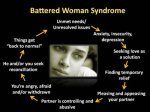
- The other person is 100% responsible for his/her actions and emotions. If you are in an abusive relationship, with an angry woman or an angry man, you are not at all responsible for what the other person does to you.
- You are, however, totally responsible for your actions, reactions and emotions.
- That makes you 100% responsible for yourself in your bad relationships.
- Here's the good news: Since you're 100% responsible for your actions and reactions, you're also free to change.
- And, I encourage you to take responsibility and exercise your freedom to change!
Whoever you're having trouble with, be ready to take responsibility for your part. You can't fix anybody else, and you will only get more angry if you try! When you take responsibility you also get freedom--freedom to change yourself and your bad relationships into good ones.
By the way--do you have a bad relationship story or question? Tell us about it!
If you are now or have been a victim of physical, sexual or emotional abuse, then you are in an abusive relationship. This is also true if you are a victim of verbal abuse. You need to take action now to insure your own safety, and the safety of your children if you have any
Here's what you'll find on this site:
On this website, you can get these great benefits listed below. Read through the list, and when you find what you're looking for, just enter those words in the search box, and off you go!

How to deal with anger in marriage or bad relationships:
- How to forgive and let go of anger
- How to deal with jealousy
- How to solve marriage problems
- Healthy roles in marriage
- How to create a healthy sexual relationship
How to deal with teens and childrens' anger:
- Child anger management
- Why children have anger management problems
- Teen anger management
- How to understand and prevent bullying
Body language, counseling and anger in the workplace:
- Nonverbal communication skills for managing other people's anger
- Anger management counseling for bad relationships
- Deal with passive aggressive behavior
- Anger in the workplace and workplace violence prevention
One of the main causes for anger in bad relationships is the inability to overcome jealousy. You don't have to be a victim to the "green-eyed monster." Overcoming jealousy and dealing with the silent treatment is simply a matter of learning to love yourself.
Remember, this relationship advice is a tool, and the more you use it the more success you will have--the more you will turn your bad relationships into good ones!
How Do We Resolve Conflict?
Conflict resolution skills are a must in dealing with bad relationships and relationship problems of all kinds. Give them a try with your spouse, partner, friend or co-worker, and also see how well it works in parenting teenagers.
Here is a detailed exercise you can use to resolve any conflict. The more you practice these communication tools, the better they will work for you, and the more skilled you will become.
Conflict Resolution Skills
The Speaker--this is the first person to speak, which is usually the one with "the issue."
- Forming a Positive Connection: I want to talk to you in this way because (I love you, our relationship is important to me, etc.)
- Sharing Your Perception: When I perceive you as. . .(angry, ignoring me, criticizing me, etc.) or... When you (are late, leave your clothes out, etc.)
- Your Feeling Response: I feel . . .(angry, hurt, frustrated, etc.)
- Your Behavior: So I respond by . . .(arguing, yelling, withdrawing, not talking to you, etc.)
- Your Underlying Fear: My fear when these things happen is . . .(of being rejected, abandoned, shamed, violated, etc.)
- The History of Your Feelings: The way this relates to my childhood emotional experience is . . . (describe related emotional experiences from your earliest memories before this relationship)
- Your Request: What I really want from you is . . . (state the specific behavior you would like from your partner)
The Responder--this is the other person in the dialogue.
Guidelines for the Speaker
- Use a calm, pleasant voice; avoid raising your voice.
- Sit back comfortably in your chair with your arms and legs uncrossed.
- Breathe deeply into your abdomen. This will help you to remain calm and keep your voice tone pleasant.
- Your primary goal is to express yourself with kindness and respect, while maintaining your power in your anger management relationship.
- You are taking responsibility for your feelings and reactions, while letting your partner know what happened and how it affected you.
Guidelines for the Responder
- Wait patiently while the other is talking to you. Listen attentively because you will be asked to repeat what your partner has said when he/she has finished to be sure you understand correctly.
- Look at your partner while he/she is talking to you.
- Don't interrupt while he/she is talking to you.
- As you listen, put yourself in the speaker's place. Set aside your agenda for a moment. How does he/she feel? What is his/her perspective? How does he/she experience you?
- If you are unclear or don't understand what the speaker has just said, ask him/her to repeat it. But remember not to comment or respond at this time to what is being said.
You might want to practice these skills with a friend or an anger management relationship counselor to hone your skills and "work out the kinks" before trying it with the person you're in conflict with.
The main thing to remember is that you can do this! You have the good heart and integrity to turn all of your relationship problems into opportunities for growth and self improvement.
If your bad relationships are so bad they have to end, you might want to get some good divorce advice about letting go of a relationship.
How Vulnerability Can Help Your Relationships
A big part of anger management in marriage is simply dealing with stress in an effective way. Learn more with these relationship quotes.
Sometimes, women need specific guidance during the end of a marriage. If this is your situation, you will find some excellent guidance at WomansDivorce.com.
More Important Articles On Bad Relationships
Assertiveness Training--Learn how to be powerful in your relationships without being aggressive. Assertiveness is the most powerful and effective when you increase your emotional intelligenceand develop healthy anger.
Verbal Abuse--Learn to understand and deal with this powerful and subtle form of abuse, that is far more common than you may think, especially in bad relationships. You deserve respect, and so do those around you.
Jealousy Quotes--This collection of quotes by Dr. DeFoore will tell you what it's like to be in the grips of jealousy, what jealousy really means, and how to get free of the feelings of jealousy.
The Angry Woman--Whether it's you or someone close to you, it is important to understand the unique type of anger that a woman experiences. Playing the role of mother, wife and other female roles can be very stressful.
Depression Hurts--Understand the pain of depression and how it can hurt you and those you love. You do not have to be a victim of depression, and you will find some excellent guidance for healing here.
Surviving Infidelity--After your partner has been unfaithful, do you leave the relationship, or stay and try to work it out? Either way, you will need to heal, learn to trust again, and work toward building a lasting, fulfilling relationship.
Have A Great Story Or Question
About Anger Management?
Whether it's shocking, funny or infuriating, we'd like to hear your stories and questions about anger management.
You have questions or stories to tell, or you wouldn't be on this site. If you'd like some help, you can get help here. You may feel helped just by writing!
Also, other visitors might be able to help with their comments, stories and questions. Sometimes I (Dr. DeFoore here) offer comments, and I try to answer most of the questions.
Feel free to also review our FAQ page (frequently asked questions), to see if your question has already been answered.
Other Visitors' Stories And Questions
Click below to see contributions from other visitors to this page...
Discouraged After Working For Three Years To Recover From One Year Of Emotional Abuse 
Four years ago my wife accused me of having an affair with a female friend of mine. About one year of emotional and verbal abuse of me by my wife followed. …
I Love One Man And Hate The Other
I have been married for ten years. I had two children, and he had one from previous relationships, and we have one child together.
There were a few …
Can You Fix An Emotionally Abusive Marriage?
My husband and I have been together for almost 17 years and married for 11 years. We have two children aged 5 and 7 and I am a stay at home mum.
My …
Help Me Please I'm In Such Turmoil
Hi,
I'm so glad I've found this site, please can you help me. I've been in a relationship for 8 years but I've had to finish the relationship as I'm …
What's Wrong With My Husband?
I have been married to my husband for over 5 years. When I first met him he was happy, carefree and fun. This is what attracted me to him. Over the last …
Why Is My Ex Husband Still Angry At Me After 22 Years?
I just got off the phone with my 27 year old daughter. I also have a 25 year old son. I am 63 years old with a Master's Degree in Education and Psychology …
Living With A Compulsive Gambler
I live with a compulsive gambler and every time he loses big time he becomes so angry I can't hardly live with him. It is a long story but he says I am …
Relationship Trust And Anger Issues
My name is Steve, and I have a problem in my relationship and I need help real fast, before I lose my family. The problem is my distrust and anger with …
My Boyfriend Can't Stand The Way I Treat Him Not rated yet
Me and my loving boyfriend have been together for 2 1/2 years now. When we first got together I screwed him over by kissing another guy. He got very angry …
I Don't Know What To Do And When To Let Go And Move On Not rated yet
I have used this website as my release from my own internal anger and depression.
I don't know what to do. As my previous stories mention my relationship …
I Don’t Know Who I Am Any More Or How To Feel Not rated yet
I feel so bad, so confused. So embarrassed to still be in this situation.
I recently once again broke it off with my boyfriend of almost three years. …
- Home
- Heal Your Relationships
We receive commissions on Amazon sales on this website.


Subscribe To The Newsletter
And Get A Free Ebook!

Recent Articles


-
Am I Somehow Deserving Of The Abuse?
Oct 16, 23 08:44 AM
 Dear Dr. DeFoore, I have been married for over 6 years and my relationship has become unrecognizable and full of resentment and hatred. Over the last
 -
The War In My Mind Or My Reality?
Jul 13, 23 09:08 AM
 I share my short story of endurance with triggers of my past military wounds to help heal myself and others. To inspire you to believe in yourself and
 -
Completely Confused By 20 Year Old Son's Behavior
Jul 06, 22 08:59 AM
 My son is 20 years old. He is extremely intelligent. He excelled in school and was at the top of his high school senior class. He was accepted into every
New! Comments
Have your say about what you just read! Leave me a comment in the box below.